

Article by Eileen Doody
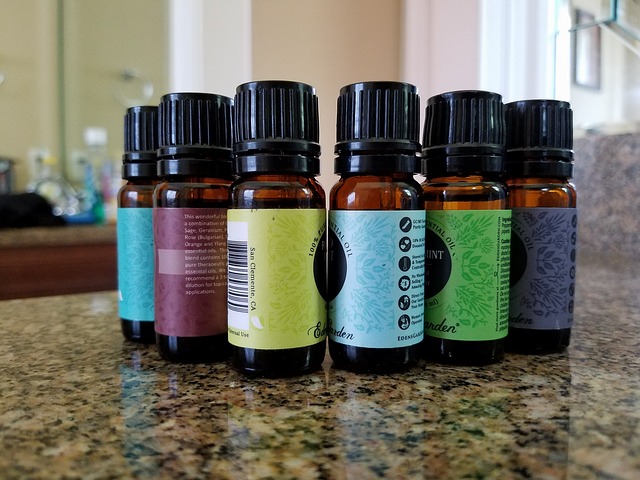
Winter can be a time of virulent viruses but as we move from winter in to the spring time people can also be susceptible to catching illness. Through research and studies, therapeutic grade essential oils have been found to be antiviral, antibacterial and antifungal. Because of this, using essential oils as a preventative measure when there are viruses in the environment makes so much sense. They can also be used as soon as we happen to contract a cold, ‘flu or other such virus and can be used in conjunction with other remedies or treatment to shorten the duration of the illness and help us to get back to full health as soon as possible. The main essential oils to use in such circumstances are:
Tea Tree
Tea Tree has excellent antiseptic properties and stimulates the immune system so, depending on when you use it, can help prevent developing a cold or virus or shorten the length of time being ill. It also is fortifying to the system helping us to recover our energy and vitality when we have been sick. The Australian Aborigines used the leaves of the Tea Tree to cure infected wounds. It may cause irritation on those with sensitive skins so it is wise, if you are going to use it topically, to dilute it (more about that below) and test it on a small area of skin first.
Eucalyptus Globulus
This Australian tree has many varieties and in this article we will cover two of them. This essential oil has fantastic antiviral properties so an excellent preventative measure when there are viruses in the environment is to diffuse it in a diffuser or to use it in an oil burner. It’s extremely effective as an expectorant as it has an affinity with the respiratory system. It clears the head when congested with a cold and is also great for ‘flu, coughs, sinusitis and infections of the throat and respiratory system. Being a stimulant, it’s not a good idea to use this oil in the evening as it may interfere with getting much needed recuperative sleep.
Eucalyptus Smithii
This Eucalyptus also has the properties stated above but is very gentle and can be used at night as it doesn’t interfere with sleep. It is also safe to use with infants and young children.
Ravensara
Ravensara essential oil is distilled from the leaves of the tree. It is said to be more effective when used in a blend of oils than on its own. It stimulates the immune system and is also antiviral. It’s very effective at the onset of the ‘flu virus. Again, it is an essential oil worth using in the diffuser or oil burner when there are viruses in the environment. It’s very good for respiratory infections and catarrh as it also has expectorant properties.
Soft Thyme (Thymus Linalol)
This thyme essential oil is gentle and less irritant than Thymus Vulgaris the more common type of essential oil available so it’s good to be aware of which type is safest. Distilled from the herb, it is anti-infectious and helps to relieve congestion in the respiratory tract. Helpful in treating colds, sore throats and coughs, Thyme strengthens the body’s resistance to invading organisms and is also very good for post viral fatigue when convalescing. On another note, drinking tea made with the Thyme herb is absolutely wonderful for colds and coughs as it stimulates a fast recovery.
Lavender
Distilled from the herb, Lavender essential oil is well known for its healing properties. It has antiviral properties and has an effect on the respiratory system so is good for helping with colds, throat infections, catarrh, bronchitis and is reputedly good for helping to relieve the effects of TB. Lavender is an essential oil said to strengthen the properties of any essential oil it is blended with. Lavender lowers the blood pressure so caution is needed when using it for anyone with low blood pressure. Also, those who suffer with allergies often find the scent of Lavender very unappealing.
Niaouli
Distilled from the leaves and shoots from the tree which is found in Australia, Niaouli has an affinity with the respiratory system. Having excellent antiseptic properties it helps to fight infections and can be used in cases of coughs, chest infections, ‘flu, bronchitis, sinusitis, pneumonia and catarrh.
Rosemary
Distilled from the herb, Rosemary has properties which affect the respiratory system so it is good for sinusitis, colds, asthma and catarrh. It is a stimulant so ought not be used in the evening. It is also unsuitable for use in pregnancy or by those who have epilepsy.
Cajeput
Distilled from the leaves of the tree, Cajeput (sometimes spelt Cajuput) helps to combat and prevent infection so worth using at the beginning of a cold or ‘flu. Its antiseptic properties are known to be excellent for the respiratory system. It’s very good for feverish colds and ‘flu symptoms. Also said to help with bronchitis. Cajeput is an oil which is excellent to use in inhalations (see below). It can irritate the skin so if using topically it’s important to use small amounts well diluted.
Pine
Pine is a very powerful antiseptic and helpful in cases of bronchitis, chest infections and ‘flu. It has an affinity with the respiratory system and is an expectorant so aids breathing, helps clear the sinuses, helps with catarrh and sore throats and is very supportive in cases of post viral fatigue and debility.
So, how can you use these powerful and healing essential oils to boost your immune system and help prevent infection? The first thing to know is that it is always much better to use a blend of two to four essential oils rather than one essential oil on its own. When essential oils are blended together they create a synergy of chemical constituents amplifying their properties. Here are some suggestions on how to get the best results:
DIFFUSERS/OIL BURNERS:
Using a blend of essential oils in your oil burner or diffuser is a great way of having the oils diffuse into the atmosphere to help prevent the spread of infection. It also aids breathing and because of the essential oils expectorant properties coughs and catarrh can be lessened. In this case, using a blend of oils, up to 8 drops of essential oil in total placed in the water of your diffuser or burner is helpful. A suggestion here would be oils such as Eucalyptus (Globulus or Smithii), Ravensara, Soft Thyme (Thyme Linalol) and/or Tea Tree.
If somebody is sick in bed with a respiratory tract infection or ‘flu, using the diffuser is a wonderful way of ensuring that they get to inhale the essential oils ongoing.
INHALATIONS:
Inhalations are brilliant for any respiratory issues and can also help with sore throats, sinusitis, catarrh, coughs and colds. Pour some almost boiled water into a bowl or sink. Take care not to get burned! Drop 3-4 drops total of essential oil into the water, place a towel over your head and bending over the water, close your eyes and take deep inhalations of the steam and oils vapour for 5-10 minutes. It is vital that children are supervised by an adult if they are doing this. Also, for some people 5 minutes may be too long so it can be a case of doing it for 1 minute eventually building up to 5 minutes. Those with broken capillaries or thread veins on their face may prefer not to do inhalations as it can make them worse. Inhalations can bring great relief to nose and chest congestion and can be carried out 2-3 times per day. Again, a blend of any of the above oils is suitable.
Another way of inhaling the essential oils is by putting 1-2 drops on a tissue and inhaling as needed. Putting the tissue under your pillow case can also help while you sleep taking care not to use stimulant oils.
BATHS:
On the very onset of a cold or even the ‘flu, having a very warm bath with a blend of essential oils before getting into bed can sometimes stop the virus from developing. Ravensara is most notable for helping in this instance. Some essential oils are irritants and also sometimes people with sensitive skin can react to essential oils so it is vital to dilute them before adding them to your bath. When using them for a bath, the best way to dilute essential oils is in a tablespoon of either cider vinegar, alcohol, milk, or cream. As previously mentioned, it’s best to use a blend of essential oils and up to 6 drops in total per bath. Take care with Tea Tree as it can be an irritant. Rosemary and Eucalyptus Globulus are stimulants so best avoided in the evening.
FOOTBATHS:
If somebody is feeling too weak or sick to have a full body bath then using the essential oils in a foot bath is a good way of getting them in to the system. Again, using up to 6 drops total as directed above under “Baths”.
MASSAGE:
In the case of a respiratory tract infection, cough, cold or ‘flu you would massage the essential oils into the area affected, i.e. upper chest especially around the collar bones, the base of the front of the neck and between the shoulders. It can also be helpful to massage essential oils into the soles of the feet as it has been found that they penetrate the skin and get into the blood stream much faster there. Again, a blend of essential oils using up to a maximum of 6 drops to 2 teaspoons of base pure vegetable oil or moisture cream. You can massage the oils in 2-3 times daily.
Additional cautionary notes:
- Safe Oils to Use if Pregnant: If pregnant, the following oils are safe to use in a very low dilution (that is a third of what has been recommended above, i.e. 2 drops total per 2 teaspoons of base oil or cream) topically, i.e. massage or baths: Tea Tree and Eucalyptus Smithii.
- Safe Oils for Infants and Young Children: Eucalyptus Smithii in the diffuser or a drop on a tissue in their pillowcase so that they can inhale it without having access to it.
- If you have pets please be mindful that essential oils may be toxic for them and also they have a greater sense of smell then us humans so always keep your dehumidifier away from them and stick to the dilutions given above.
As you start using essential oils on a day to day basis you will find that your confidence and knowledge about them will build. There are many great books on essential oils on the market. A good one to start with is “Aromatherapy An A to Z” by Patricia Davis which is the most comprehensive guide to Aromatherapy ever published. If you ever have any questions then please do get in touch as I am always delighted to answer them.
Holistic Wellbeing stocks a range of therapeutic grade essential oils and you can contact Ann or Jonathan on 01484 767227 to enquire.
Eileen trained and qualified in CranioSacral Therapy with Upledger Institute International. She is also qualified in Aromatherapy, Reiki, Indian Head Massage and Reflexology and uses Australian Bush Flower Essences as a support to the emotional aspects of treatments when necessary. Eileen is delighted to answer any questions you might have so please feel free to contact her on 07803 731161 or email her at eileen.doody28@yahoo.com. Her website is www.eileendoody.com You can find her on Facebook at eileendoodytherapies