AROMATIC HEALING FOR BODY, MIND AND SPIRIT
Article by Eileen Doody
Little did I realise back in the early 90’s (when “cell” phones were the size and weight of bricks and not very mobile!) that attending a night class in Aromatherapy was going to utterly transform my life and open up a whole new world to me. Back then, most people did not know what the word Aromatherapy meant. Essential oils were not readily available in the shops. The commercial market hadn’t yet capitalized on the word using essential oils in air fresheners and washing liquids, etc. I went on to train and qualify in Aromatherapy in 1994 and have been practising it ever since. Essential oils have become an integral part of my day to day life. They are an incredible self care resource to have in so many ways and I always feel passionate talking about them. So what is Aromatherapy and what are essential oils?…
The use of plants goes back to the early ages of humanity where they were used in fumigations, rituals, spiritual ceremonies, embalming, massage and in cosmetics in ancient Egypt (the birthplace of cosmetics). The name “Aromatherapy” was first used in 1937 in a paper written by a French chemist called Gattefosse after he severely burned his hand in an explosion in his perfume laboratory and intuitively plunged it into a vat of lavender essential oil thereby discovering the oil’s amazing healing properties on burns. The French were very involved in the evolution of Aromatherapy as they were extremely interested in the medical uses of essential oils and conducted much research on their antiseptic and antibiotic properties. Aromatherapy is taught in French medical schools and is practised by doctors and naturopaths.
There are many French names in Aromatherapy’s history but it was in the 1950’s that it began in Britain with a French cosmetologist. Marguerite Maury lived in London and her focus was on using essential oils in massage, cosmetics and perfumes for her clients. She devised individual prescriptions for her clients based on their personality, spirituality and where they were in their lives. She very much brought an holistic and spiritual approach to the use of the oils which has remained to this day. It was in the late 1980’s that Aromatherapy as we now know it took off.
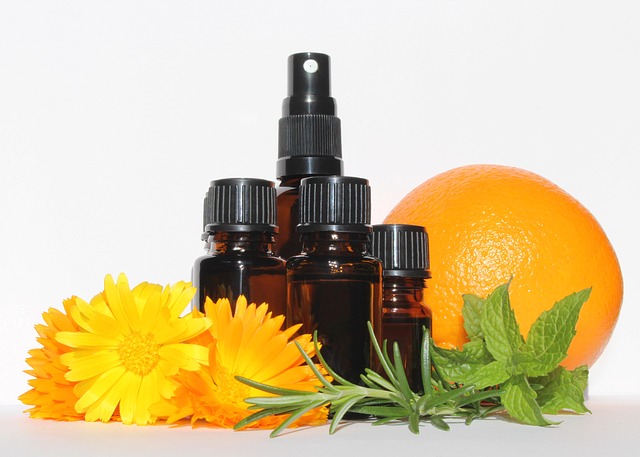
Essential oils are distilled from herbs, spices, citrus fruits, trees and flowers. They are considered to be the Spirit or Soul of the plant and have properties that not only work on the physical but also the emotional, mental and spiritual planes. Essential oils support a return to a state of holistic well being and balance and empower people in their own health and self care. They can be used in massage oils, creams, lotions, perfumes, inhalations and baths once they are pure and unadulterated. They can also be used around the home in various ways to clean and detoxify. As their chemical compositions are packed with antibiotic and antiseptic properties, essential oils can work very well as a first ‘go to’ for combating infections and improving the immune system. (Whilst Aromatherapy and essential oils support a return to good health, they do not replace medical care when appropriate. They safely work alongside the medical approach.) They help to regulate the nervous system and are good for psychological and hormonal imbalances so are great in times of stress and upheaval.
Essential oils are volatile which mean they evaporate easily. This allows us to inhale them where they can have a physiological effect on our respiratory system whilst also affecting us emotionally; lifting our spirits or improving our concentration or helping us to relax. The sense of smell acts mostly on a subconscious level as the olfactory nerve in our nose is directly connected to the limbic system which is the most primitive part of our brain. The limbic system is responsible for behavioural and emotional responses to our environment and influences our visceral (bodily) responses as a result. It affects the primitive drive of sex, hunger and thirst and it can stimulate memory which is why we can smell something that throws us back in time to the memory of an event or of someone who used that particular scent.
Due to the many properties within their chemical composition, essential oils are very versatile and can affect many physical and emotional issues. Here are some examples to give you an idea of what I mean:
Ylang Ylang is an exotic flower essential oil which comes from the Philippines. It has an exotic sweet spicy scent and helps to lower blood pressure, raise confidence, can be used to alleviate panic attacks and agoraphobia, has a beneficial action on the skin whilst also being a beautiful perfume (it’s used quite a bit in the perfumery trade). But did you also know that it also has a calming action on the heart, is an aphrodisiac and has been found to help with malaria and intestinal tract infections?
Eucalyptus: there are about 700 varieties of eucalyptus with 500 of them producing an essential oil. We are familiar with our friend Eucalyptus in times of cold and ‘flu. Originally it was used by the Australian Aboriginal people to treat fevers and infections. It has wonderful expectorant properties so has an affinity with the respiratory system and is good for moving mucous issues. It has antibacterial and antiviral properties which help to alleviate cold, ‘flu, bronchitis, sinusitis and catarrh. It is also great for muscular aches and pains, cramps and rheumatic type pain. On a psychological level, it helps to invigorate the mind, refresh the senses and helps to bring about a more ‘upbeat’ attitude.
Orange: this oil is great for digestive issues (used externally) as it has a tonic like effect on the digestion and helps to relieve spasm, abdominal distension and pain and it also regulates the appetite. It can also help to relieve tension, eases frustration, brings a sense of joy and positivity. I find it a lovely one to use in the burner in the winter as it brings a sense of lightness to the short days and long evenings. It also helps some people suffering with insomnia.
Chamomile: this oil actually has an apple like scent and in fact it’s name comes from the Greek for “ground apple”. Chamomile eases pain and muscle spasm, relaxes the nerves and is good for anything involving a nervous element such as nervous indigestion, nausea, constipation and irritable bowel. It is also good for headaches, menstrual pain and premenstrual tension. It reduces inflammation so can be used for cystitis, gastritis, rheumatic pain and arthritis. It also is very good for the skin when used for eczema, dermatitis and psoriasis.
Because they dilute in fats, essential oils work very well through being absorbed by the skin.
Some oils are irritants so with regard to safety it is important to understand not only what oils can be used when but how to dilute them and to what amount. It is important to remember that less is more when it comes to essential oils.
It is worthwhile investing in a good book on Aromatherapy and/or attend a night class if you decide to get to know them better and invite them into your life. If you are investing in a book, I always recommend to make sure it is written by a qualified Aromatherapist as they study each oil in depth during their training and build a relationship with them as they work with them deepening their understanding of them over time.
Eileen will be holding a talk on Aromatherapy and essential oils at Holistic Wellbeing soon so you can find out more and smell some of the powerful delights of plant Spirit medicine. Keep an eye on the newsletter for event details.
If you have any questions, please feel free to contact me Eileen on Tel: 07803 731161 or
email: eileen.doody28@yahoo.com
website: www.eileendoody.com
Did you know we stock a wide selection of Aromatherapy oils here in our little shop? The shop is open during events and by request. There’s no obligation to come and have a browse, we’d be delighted to welcome you.