


Imbolc – Light & Renewal Imbolc – Light & Renewal Imbolc – Light & Renewal Imbolc – Light & Renewal Imbolc – Light & Renewal
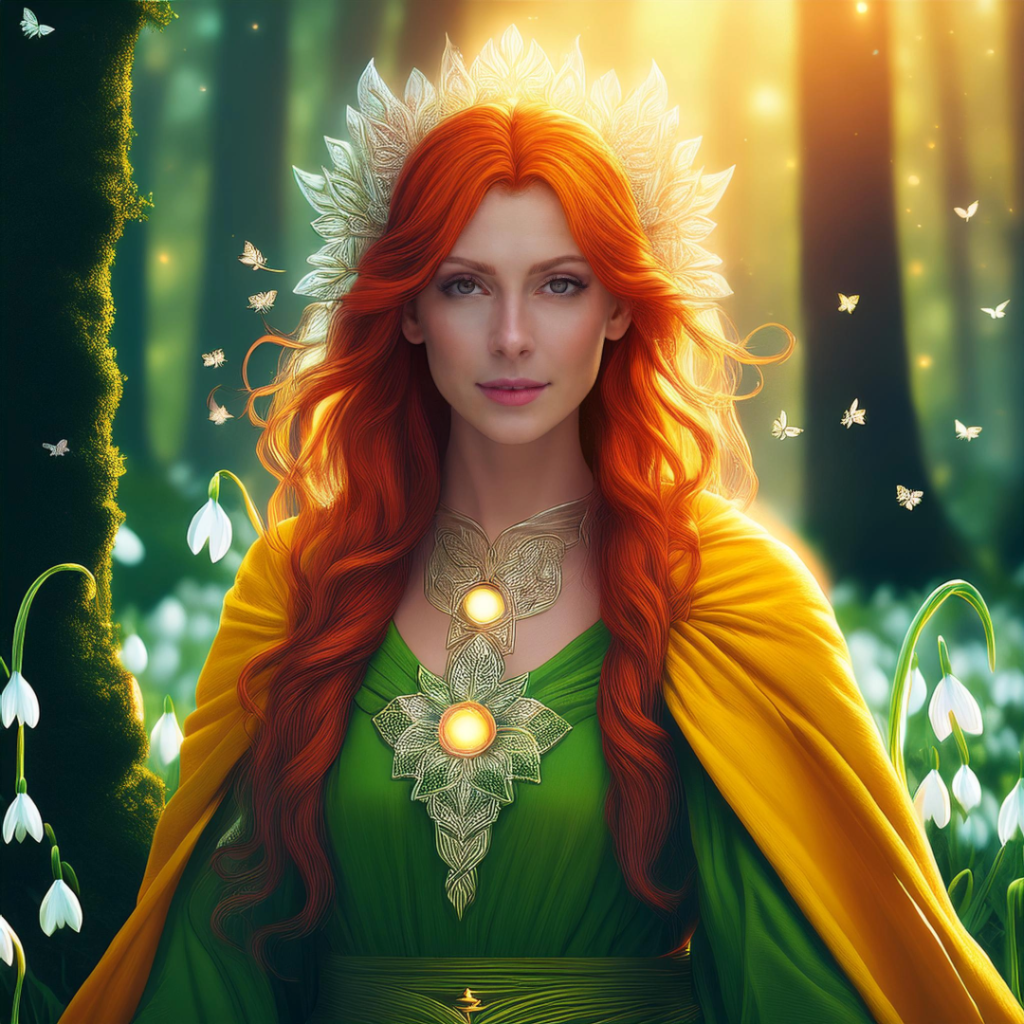
On the 1st February, the midpoint between the Winter solstice and the Spring equinox, the ancient Celtic festival of Imbolc is celebrated, marking the transition from winter to spring. Deeply rooted in agricultural cycles and celestial events, this sacred day honours the growing light, fertility and renewal of life, as well as the Goddess Brigid, a revered deity of poetry, healing and smithcraft. Firmly established in Pagan traditions, Imbolc remains an important spiritual observance for many today.
Interesting Fact:
In Medieval times, it was common practice to keep the festive decorations up until Candlemas, the Christian holiday observed on 2nd February which also celebrates light, purification and renewal and marks the official end of the Christmas season. The belief that it’s unlucky to leave decorations up beyond Twelfth Night (around January 6th) is actually a more modern interpretation. Personally, I’m sticking with the Twelfth night tradition as extending Mr Chop’s obsession with Christmas accoutrements a moment longer, is more than my nerves can bear. Falling exactly 40 days after Christmas, Candlemas was a significant celebration in medieval England. It was a day of great feasting and was named for the tradition of blessing candles symbolising the return of light as winter began to wane.
Imbolc’s Origins and Meaning

The word “Imbolc” is believed to derive from the Old Irish “i mbolg,” meaning “in the belly,” referring to the pregnancy of ewes and the early signs of spring. It is a time to honour the earth’s reawakening and prepare for the agricultural season ahead. The festival was historically associated with fertility, purification and the anticipation of warmer days.
Image credit: theraju1772, pixabay
Brigid: Goddess and Saint
Brigid is central to Imbolc’s celebrations. In Celtic mythology, she is the goddess of poetry, healing and smithing. As Christianity spread, she ‘became’ Saint Brigid, one of Ireland’s most beloved Saints. Her festival, Saint Brigid’s Day, coincides with Imbolc, blending Pagan and Christian traditions. Both the Goddess and the Saint symbolise fertility, protection and inspiration.
Traditional Celebrations
Historically, Imbolc was celebrated with fire and light rituals to symbolise the sun’s growing strength. Candles were lit in homes, and bonfires were kindled to honour Brigid. Other customs included:
- Brigid’s Cross: Weaving crosses from rushes or straw as a form of blessing and protection for the household.
- Divination: Using omens and natural signs to predict the coming season’s fortune.
- Cleansing and Purification: Spring cleaning homes and sacred spaces to welcome new beginnings.
- Offerings to Brigid: Milk, grains and other symbolic items were left as tributes to the Goddess.
Interestingly, it was believed that Candlemas weather could predict the length of winter. It comes from an old European tradition which evolved into Groundhog Day in North America.
The Origin of the Weather Tradition:
On Candlemas, people would observe the weather, especially if it was sunny or cloudy. The superstition went that if the weather was sunny and clear, it meant that winter would last for six more weeks. If it was cloudy or snowy, it was a sign that spring was on its way. This idea was likely inspired by patterns in the weather that people noticed over time and it became a widely recognised part of the tradition. So on that note, if it’s cloudy on Sunday 2nd Feb, we shall be cheering rather than grumbling!
“If the sun shines on Candlemas Day,
So many weeks of winter’s left to stay;
But if it be cloudy or stormy, then
The rest of winter is gone and then”.
This weather lore rhyme reflects the belief that a sunny, clear day on Candlemas meant that winter would continue for six more weeks, while a cloudy day would signal the early arrival of spring.
This European weather tradition eventually made its way across the Atlantic to North America with European settlers. In particular, the German immigrants who settled in Pennsylvania brought with them the custom of using an animal to predict the weather. In Europe, people would often use a bear or other local animal for this prediction.
In the United States, however, the tradition evolved to focus on the groundhog (also called a woodchuck). Groundhogs were abundant in Pennsylvania and they became the animal of choice for this weather prediction.
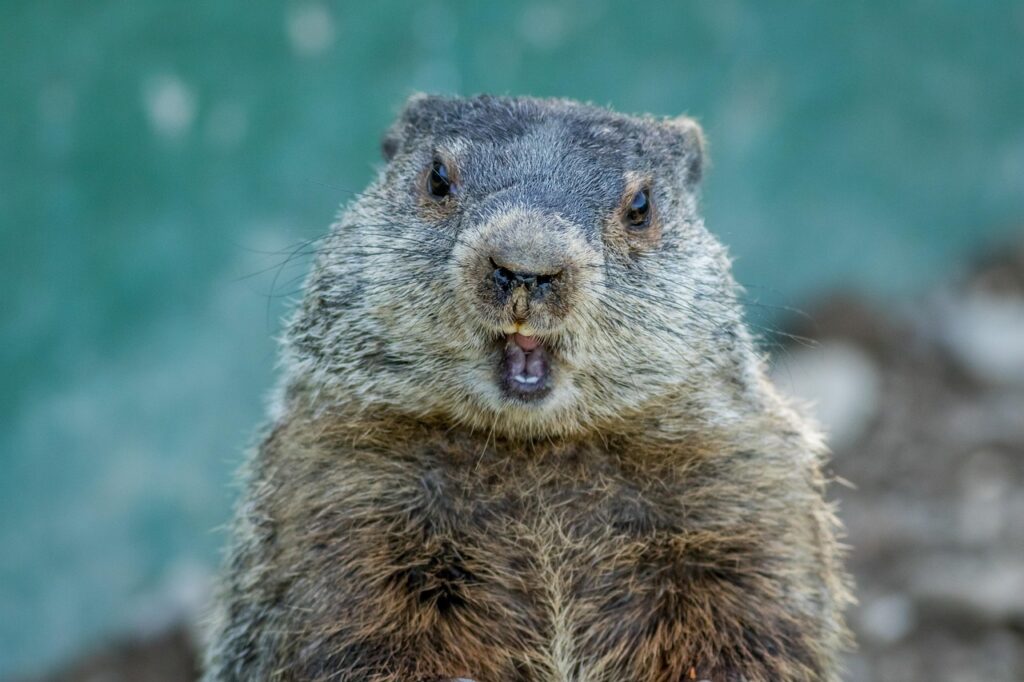
According to the legend, if the groundhog emerged from its burrow on February 2nd and saw its shadow (which would happen if the day was sunny), it would retreat back into the burrow, signalling six more weeks of winter. If the groundhog didn’t see its shadow (i.e. if it was cloudy or overcast), it would stay outside, signalling that spring would come soon.
Image credit: RusticPix from Pixabay
In terms of scientific accuracy, it’s important to note that Groundhog Day is a fun tradition to celebrate the anticipation of spring and the changing seasons. rather than a reliable meteorological event. Groundhog predictions are no more accurate than chance in predicting the weather but I’m sure you didn’t need me to tell you that.
Imbolc in Modern Times
Today, Imbolc is celebrated by Pagans, Wiccans and modern Druids as a time of renewal, inspiration, and hope. Many observe it by lighting candles, performing rituals for personal growth and honouring Brigid in her many forms. Some also incorporate meditation (see below), poetry and crafts to align with the festival’s themes of creativity and inner light.
And so…
Imbolc serves as a reminder of nature’s cycles and the promise of life anew. Whether observed through ancient traditions or modern adaptations, these festivals offer an opportunity to embrace change, purification and the returning warmth of the sun. As winter gives way to spring, these celebrations encourage reflection on personal growth and the welcoming of new opportunities with open hearts.
If you’re interested in connecting with the energy of Imbolc, I’ve written a meditation to guide you through setting intentions and letting go of what no longer serves you. The meditation is free and if you enjoy it, please considering showing your appreciation by giving it a thumbs up on YouTube and dropping a comment in the comments section on YouTube too. It will really will help our little YouTube channel grow. Thank you.
With Imbolc blessings,
Ann x

Ann founded Holistic Wellbeing in 2008 and today runs the business full time alongside her husband Jonathan. Ann specialises in the spiritual development of others on many levels. She is a Funeral Celebrant, a teacher of Meditation, QiGong and Original Usui Reiki, Ann is an intuitive facilitator of healing through the mediums of Emotional Freedom Technique and spiritual practice.
Ann holds one to one therapy sessions, private meditation & QiGong classes for health and wellbeing as well as co-hosting weekly psychic evenings and psychic development courses, classes and workshops. She is also the events, promotions and advertising manager and is responsible for the day to day running of the centre. To find out more about Ann click here or contact her on: 01484 76722, email: Ann.
Find us on Facebook
Find us on Instagram
Find us on Twitter
Find us on YouTube