The Wisdom of Weeds: The Power of Three Overlooked Plant Allies for Healing
In last week’s blog, I took you on a A Sensory Journey Through Nature. If you missed it, you can read it here. It was on this walk I was reminded that we live in a world that often values mastery over nature and controlled cultivation, yet there coexists a multitude of plants, which are unfortunately, unfairly labelled as ‘weeds.’ From the aspiring manicured garden, these ‘weeds’ are sprayed, pulled and casually discarded, yet many of these humble plants offer us remarkable healing properties. Many are deeply rooted in folklore (no pun intended) and should we choose to befriend them rather than shun them, we can discover just how powerful these plant allies are as nature’s medicine.
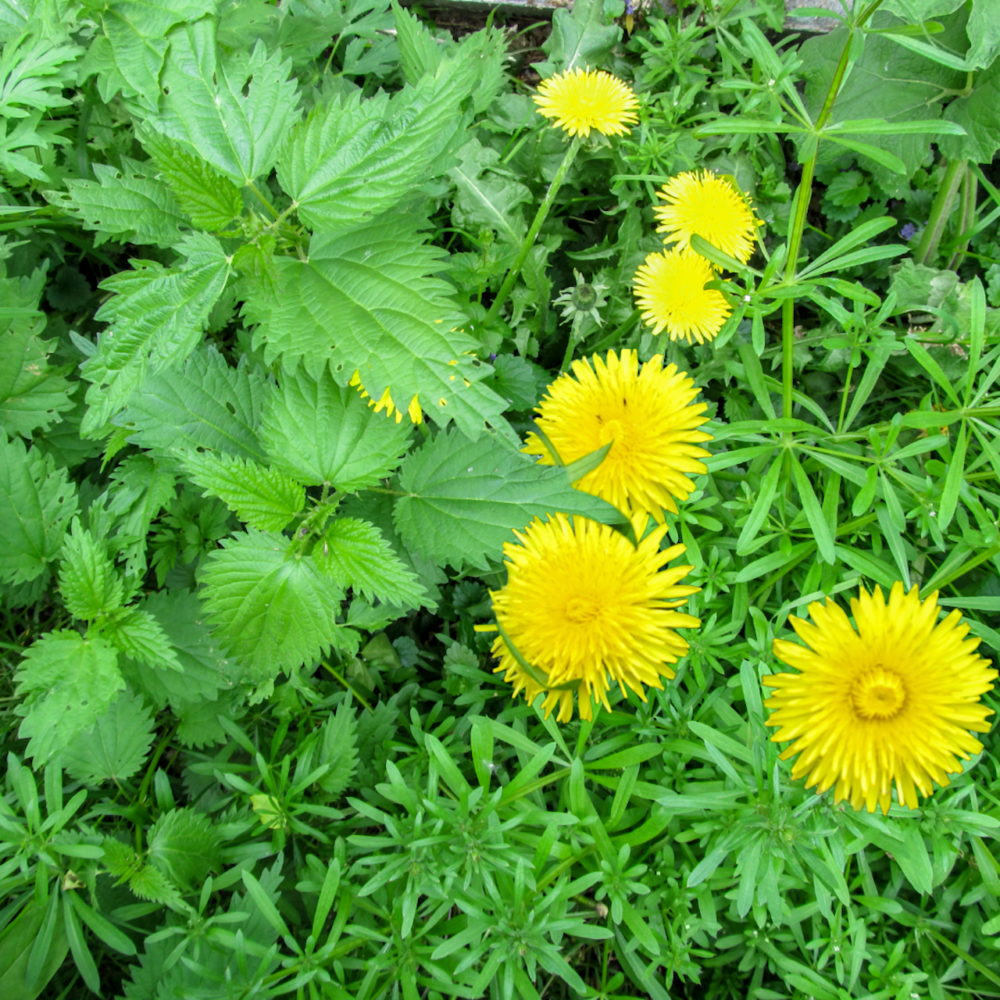
On my walk, amongst others, three stood out as powerful allies: Dandelion, Cleavers and the Stinging Nettle and I’d like to share in brief, reasons why you should befriend them. I have written articles on all three independently which I shall link should you wish to read more.
The first of these plants is the:
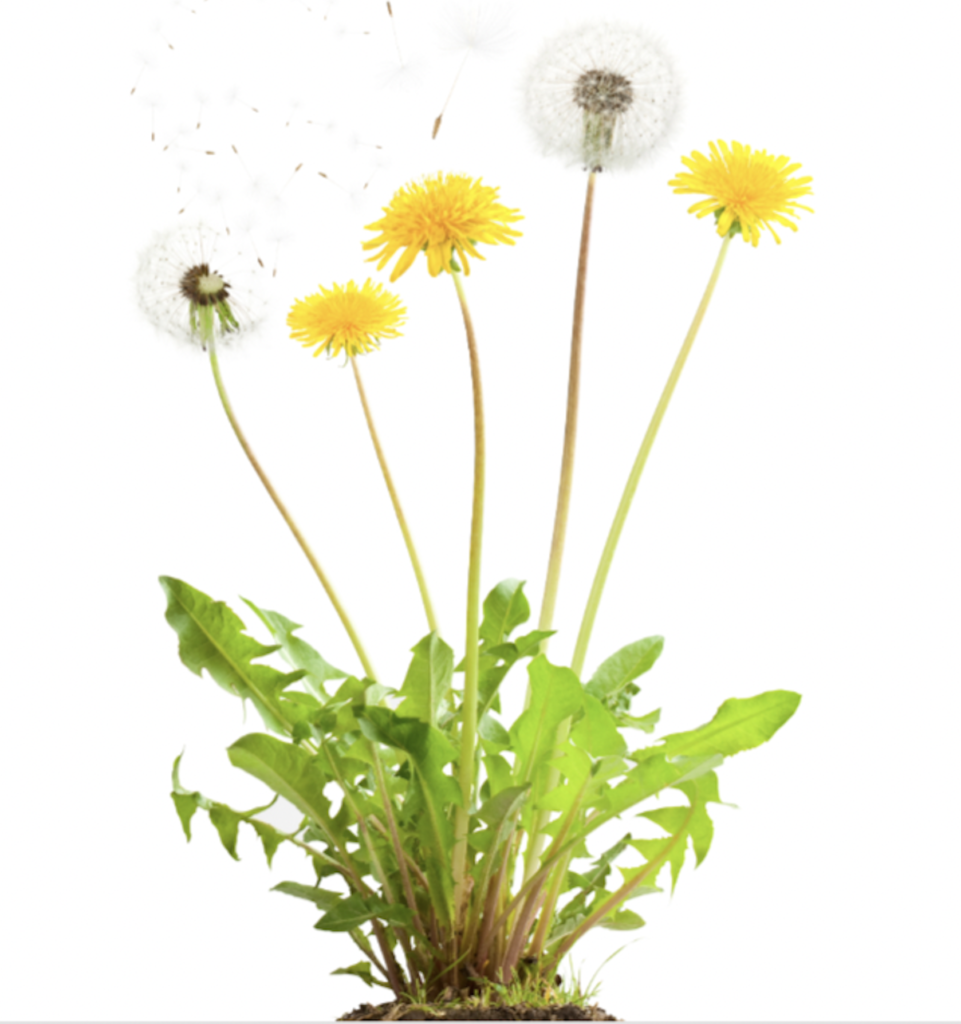
Dandelion – Taraxacum officinale:
A yellow sunburst that brightens up the grass verges now daffodil season is over.

Planet: Jupiter
Gender: Masculine
Element: Air
Deity: Hecate
Also known as Dent de lion (as its leaves are said to resemble the ‘teeth of a lion’) and more crudely Pissenlit which literally translates to “piss in the bed,” (pardon my French) due to its strong diuretic properties, the humble Dandelion is a perennial plant renowned for its culinary, medicinal and nutritional value.
Nutritionally: Dandelion is highly nutritious and packed with vitamins, minerals, fibre and antioxidants. It contains vitamins A, B, C and D, E, K iron, calcium, magnesium, iron, potassium, inulin, carotenoids and polyphenols.
Culinary uses:
The young leaves (before flowering) are great in salads and the older leaves can be used in the same way as spinach. Steep them in water for an hour to help remove some of the bitter flavour and wilt them in butter with garlic and a squeeze of lemon juice.
The bright coloured petals also make a great addition to salads and you can even eat the buds – try them with fresh egg pasta with olive oil and a little salt or try cooking them in hot sesame seed oil and sprinkle with sesame seeds for an oriental flavour. The petals can also be made into Dandelion wine.
The roots allegedly make a delicious coffee type drink, some people refer to this as a tea too. – I must admit I haven’t tried it myself but if you do, please give us your thoughts. I bet you’ve heard of the Dandelion and Burdock drink though? The roots are one of the main ingredients for that too!
Make them into a tea using either fresh or dried leaves for a mild and bitter flavour, use the flowers for a sweet and floral tea or the roasted roots for a coffee substitute.
For those of you with a sweet tooth and no need to keep your waistline in check, you might want to have a look at making Dandelion honey.
Medicinally:
Dandelion is a natural diuretic and tea made from it is said to be an effective remedy for water retention and cellulite.
In traditional herbal medicine, dandelion is valued as a whole-plant remedy. Its leaves are rich in vitamins A, C, and K, and support digestion and kidney function, flushing out toxins, including uric acid, alleviating rheumatism and gout. The root is particularly prized for liver health, often used to gently detoxify and stimulate bile production.
Isn’t it ironic how hard we try to eliminate dandelions from our lawns, while paying for detox teas that often contain… dandelion?! Put the plant to good use by making your own, it’s a win, win!
Stems:
The milky sap from the stems can be used to soothe bee stings, blisters and warts though do exercise caution as it may cause an allergic reaction in some. Just another point of interest – if you find yourself in need of a rubber band, break the stem and spread the sap in a thin line. Once it’s dry it is said to be rather sturdy and can be tied into a band!
Magically:
To send a message to a loved one, blow the seed head in their direction and visualise your message.
Drink the root infusion to promote psychic powers and/or place the steaming brew beside the bed to call spirits – me, I prefer a peaceful night so this is one I won’t be trying!
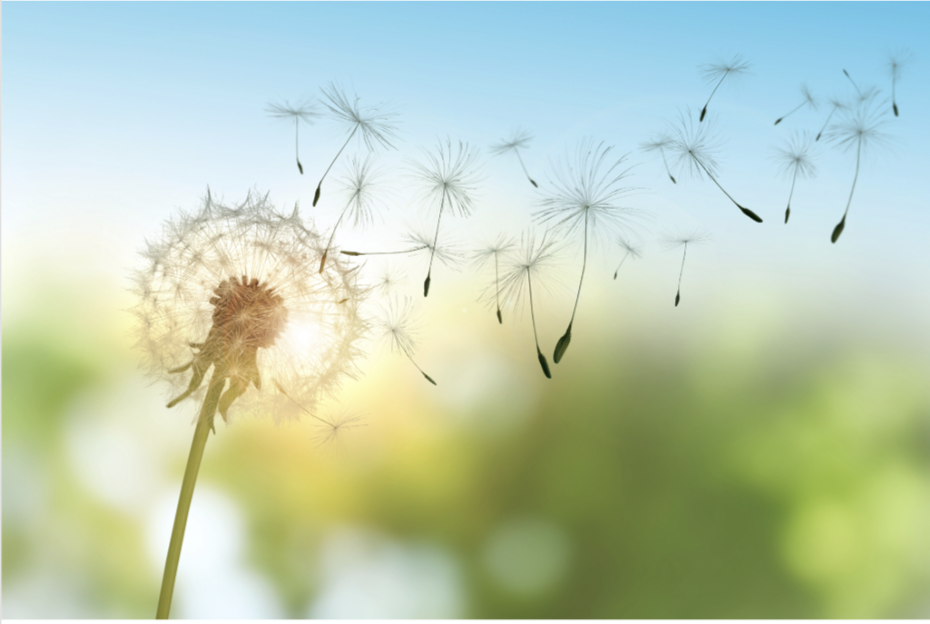
A wish granted – keep your wish in mind and blow the dandelion seeds away for it to come to fruition – and no, it won’t reveal the lottery numbers sadly – of course I’ve tried it! 😉
If some of those ideas have whet your appetite, you’ll find a whole host of ideas and online recipes to try out and you can watch me make a Dandelion salve here
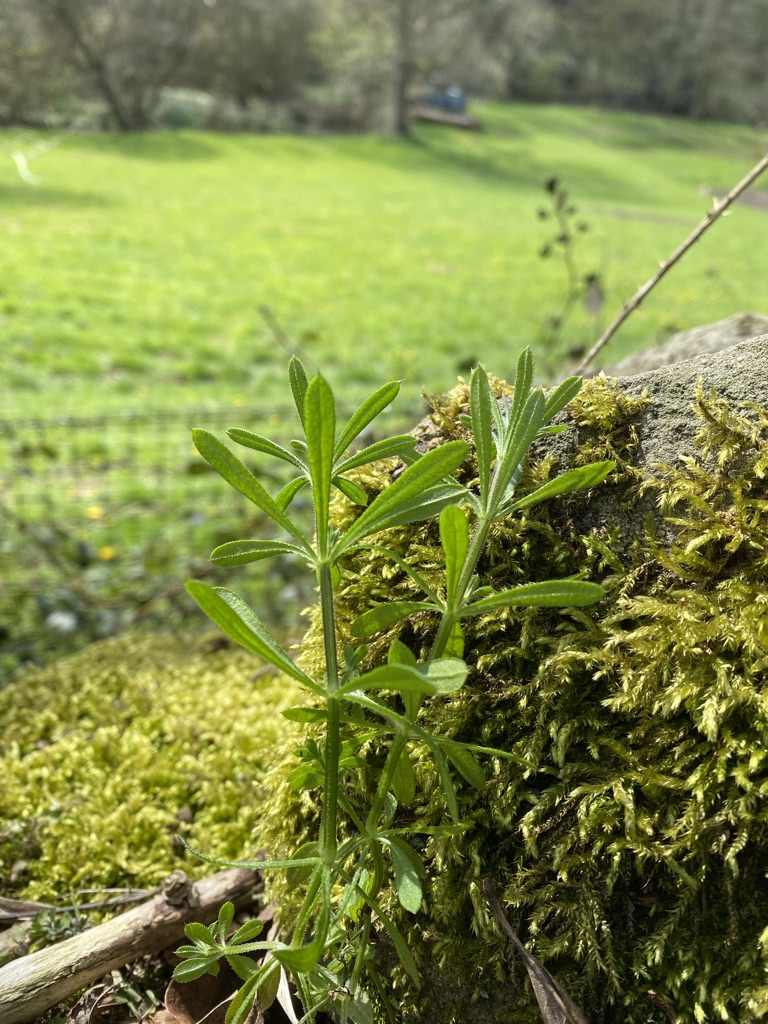
Cleavers – Galium aparine
Planet: Saturn
Gender: feminine
Element: Fire
Deity: Holda
There are just a few interesting notes I’ll add to the article I wrote about cleavers a while ago. You can read the full article here
- Did you know that the old Greek name for Cleavers is Philanthropon, meaning ‘Love’ because of it’s clinging habit?

It is also known as bedstraw as our ancestors would use it along with straw to pack into mattresses. Rumour has it, though I don’t personally know who the source was, that Mary packed Jesus’ bed with cleavers.
- ‘Galium’, part of the genus name for cleavers (Galium aparine) was given to the plant by ancient Greek physician Dioscorides. It is derived from the ancient Greek word gala (γάλα), which means ‘milk’ and that likely comes from the fact that cleavers was once use to curdle milk in cheese making.
- In traditional Swedish dairy folklore, cleavers were used to filter milk not only to capture any impurities but also because Farmers believed that the milk would be infused with the goodness of the plant.
Magically:
- Folklore says that if you drink water infused with cleavers three times a day for nine weeks, you will become so beautiful that everyone will fall in love with you!
Cleavers is best used fresh as once dried, it loses much of its potency.
Simple ways to work with cleavers:
- Cleavers infusion: Steep fresh cleavers in cold water overnight for a gentle detox drink.
- Skin wash: Use the cooled infusion to soothe irritated or inflamed skin.
- Green juice addition: Blend a handful into smoothies for a mild, grassy boost.
I love the analogy of a plant that clings on so persistently it’s a good reminder for us to help the body release what it no longer needs.
Stinging Nettle – Urtica dioica:

Planet: Mars
Gender: Masculine
Element: Fire
Deity: Thor
The stinging Nettle is a plant that has no hesitation in reminding you of its presence. Brush your bare skin against it carelessly and there you have it – a nice prickly, itchy rash! Yet don’t let that dissuade you from falling in love with nettle, it’s benefits far outweigh its bite. Once cooked or dried, the sting disappears entirely, revealing a gentle, earthy flavour.
You can read the full article I wrote about Nettle here and in addition, some fun facts and folklore about it below:
Celtic & British Folklore:
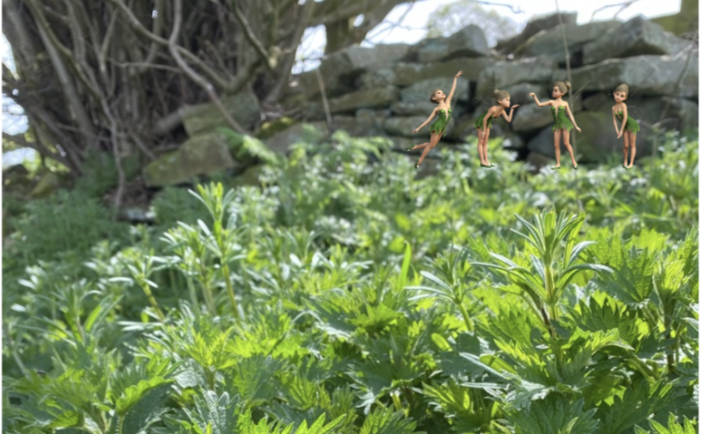
Dense patches of stinging nettles were sometimes believed to mark the presence of the Otherworld, places where fae folk might dwell or pass through.
- It was also believed that being stung by these nettles was not unfortunate, instead the sting would give protection against fairy mischief and other types of dark sorcery.
- Nettles were strongly associated with protection. Growing them near the home was thought to ward off negativity, ill-wishing and even lightning. Sprinkle some around your home to keep evil out or send it back.
- To remove a curse and send it back, fill a poppet with nettle or carry a nettled filled sachet around with you.
- A pot of freshly cut nettles placed beneath a sick bed will aid the patient’s recovery.
Norse Mythology:
- Loki, the trickster God was said to have a magical fishing net made from stinging nettles, although this tends to be come from later folklore interpretations or modern retelling rather than from original texts.
- Being plants that thrive in harsh conditions, nettles are sometimes associated with strength, resilience and survival. While not always explicitly named in surviving texts, later folklore traditions in Scandinavia connect nettles with Thor-like energy—protection, vitality and raw life force.
European folklore:
Nettles were often used in protective magic. Carrying a sprig, placing it under a pillow or hanging it in the home was said to guard against harmful energies. There’s also a long-standing belief that nettles could break curses or reverse ill intent, especially when combined with fire or boiling water, transforming their sting into something cleansing.
One of the most famous literary connections appears in The Wild Swans, where the heroine must gather and weave nettles into shirts to break an enchantment on her brothers. This reflects an older belief: that something painful or difficult (like handling nettles) could be transformed into healing or liberation through devotion and endurance.
Folk healers also valued nettles as a “blood tonic” and purifier. This practical use blended into magical thinking: spring nettle tonics weren’t just for physical health, but for clearing stagnant energy after winter, like a seasonal spiritual reset.
Simple ways to work with nettle:
- Nettle tea: A mineral-rich infusion that supports energy and overall vitality.
- Nettle soup: A traditional spring dish – think of it as a wild, green spinach soup.
- Hair rinse: Use cooled nettle tea to support scalp health and shine.
A humorous saying among herbalists is that people fear nettles, until they realise how good they make them feel, then suddenly, they’re harvesting them with much enthusiasm (and gloves)!
Reclaiming the “Weed”
These three plants share a common story: they grow where they are needed, often in undisturbed or neglected ground. In many ways, they mirror our own healing journeys, thriving in unexpected places and offering support when we least expect it.
So there you have it, three unassuming but powerful healers.
Next time you see a dandelion pushing through concrete, cleavers clinging to your clothes or nettle standing tall at the edge of a path, pause for a moment and give them a smile and a knowing nod – they are far more than what you are led to believe.

Disclaimer:
Please note that I am not a qualified herbalist, my findings are based on my own extensive research and I would ask you to do your own thorough research on the safety of using plants for consumption or external use, should you wish to use them.
Please ensure you are 100% sure of the identity of any plant before using it as there may be harmful look-a-likes that need to be avoided at all costs. I recommend investing in a plant identification book, more than one ideally and always cross reference any information with several sources. Any health concerns should always be discussed with a medical professional.
Please forage responsibly taking only a small amounts and not all from the same plant so it has the opportunity to regenerate. Leave plenty for the wildlife. Always ask the Landowners permission before foraging on privately owned land and take care not to trespass.
Sources:
The Hedgerow Handbook – Adele Nozedar
Folklore Magic and Healing – Fez Inkwright
Medicinal Herbs – Rosemary Gladstar
Knowledge to Forage – Dane & Stella De Luca Mulandiee
Cunninghan’s Enclopedia of Magical Herbs
Find us on Facebook
Find us on Instagram: holisticwellbeingcentre
Find us on X
Find us on YouTube
The Power of Three The Power of Three The Power of Three The Power of Three The Power of Three The Power of Three The Power of Three
The Power of Three The Power of Three The Power of Three